Brown recluse spiders (Loxosceles reclusa) thrive inside the older architectural frameworks common to central Kansas. In historic College Hill, Riverside, and Delano residences, stone foundations, lathe-and-plaster…
Brown recluse spiders (Loxosceles reclusa) thrive inside the older architectural frameworks common to central Kansas. In historic College Hill, Riverside, and Delano residences, stone foundations, lathe-and-plaster wall cavities, and pull-down attics provide undisturbed, climate-buffered harbourage. Unlike web-building spiders, the brown recluse actively hunts nocturnal insect prey across flooring and subfloors, nesting deep within insulation batting, baseboard gaps, and stored cardboard boxes. Standard liquid baseboard sprays are ineffective because brown recluse tarsi (feet) feature tiny hairs that elevate their bodies above wet residues, requiring targeted microcap formulations, dust desiccant injected directly into enclosed structural framing, and physical entrapment grids.
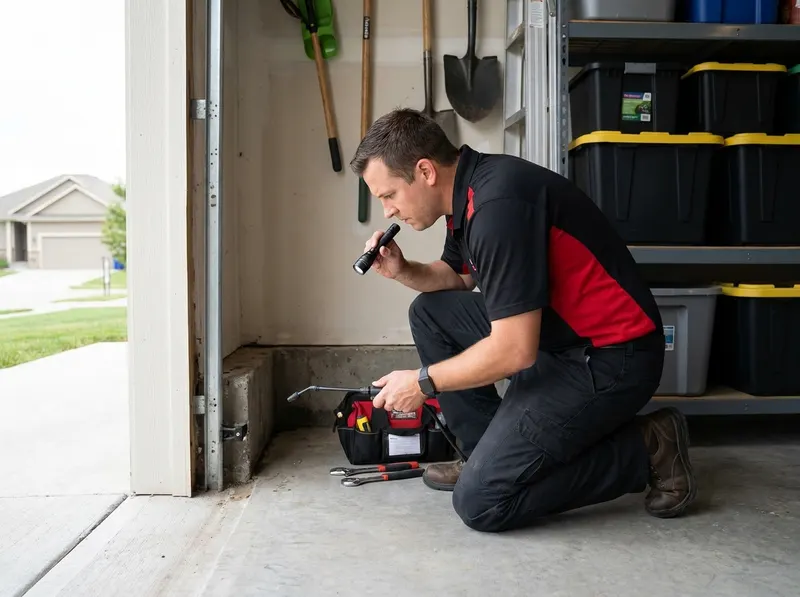
Effective management demands a clear operational trade-off: localized single-room treatments offer lower upfront costs but routinely fail because brown recluse colonies redistribute behind drywall into adjoining rooms when disturbed. Whole-home eradication protocols require greater initial preparation, pulling furniture 12 inches away from perimeter walls, lifting stored items off basement slabs, and vacating premises for 2 to 4 hours during aerosolized void applications, yet they systematically neutralize secondary harbourage points. In slab-on-grade homes across South City, Benjamin Hills, and Orchard Breeze, technicians systematically target furnace closets, plumbing chases beneath subfloors, and garage expansion joints where seasonal heat drives spiders inward.
Step 1 involves an exhaustive diagnostic mapping using white glue boards placed every 8 to 10 feet along perimeter baseboards to confirm infestation density and harborage clusters. Step 2 delivers pressurized delta-dust or silica formulations directly behind electrical switchplates, plumbing penetrations, and ceiling fixture boxes to penetrate undisturbed structural cavities. Step 3 seals accessible entry apertures and applies a 10-foot wide microencapsulated perimeter band along the exterior foundation, preventing outdoor field populations from re-entering during Kansas seasonal shifts.
Every job gets a firm, written price after a free on-site visit.
Tell us about your brown recluse spider control job in Wichita and we'll send a clear, written quote, usually the same day.
 Halvex Extermination